
The thorough and proven process to get the right architect into your team. Refined over the last 20 years.
The 7 steps to ensure sourcing starts and finishes at the right place.
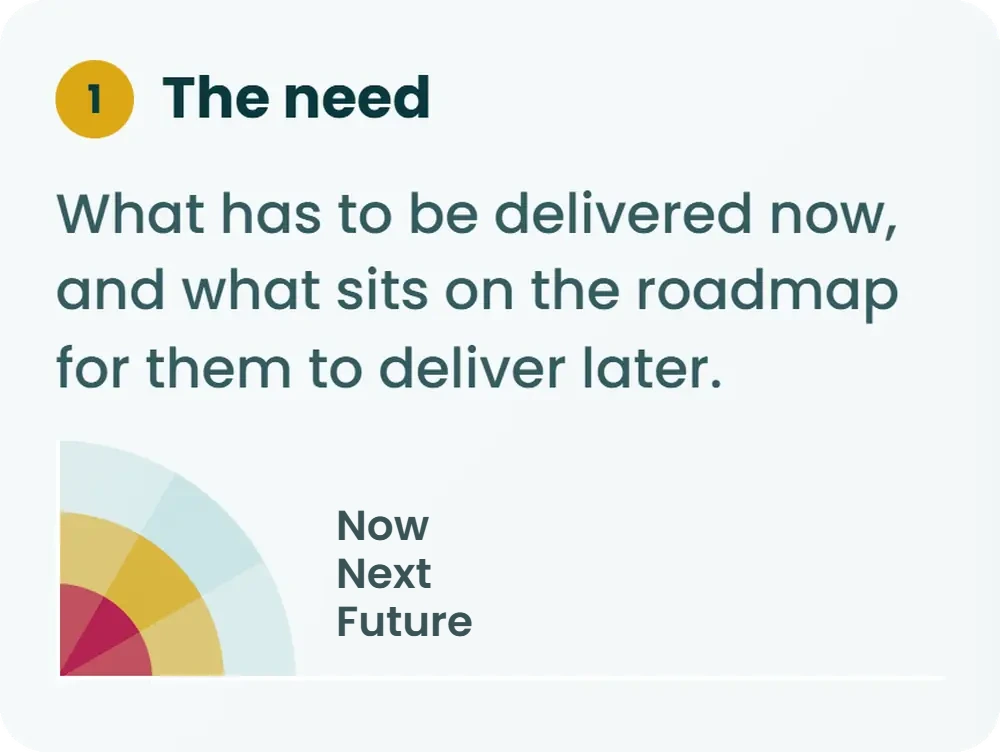
Most job roles start with a title (we need a …) and add a series of responsibilities to match, or not. This leads sourcing to start in the wrong place. Ben uses the last 11 years of writing SoWs to ensure that the job spec is based around what the architect needs to deliver and be measured against, and then adds a job title to that.
Who are you? What are your strengths? Where do you see a gap in your skill set? Do you want someone similar to yourself? Understanding all of these is crucial, as you will be working with this person day to day.
Who do you consider your best-performing architect? What of their characteristics and approach style would you like to see in your next hire? It is generally not possible to match, but this helps serve as a good guide.
Architecture is an influencing role. If an architect cannot build relationships and influence their key stakeholders, they cannot do their job. We look to speak to one or two of your key stakeholders and understand what they require from the role.
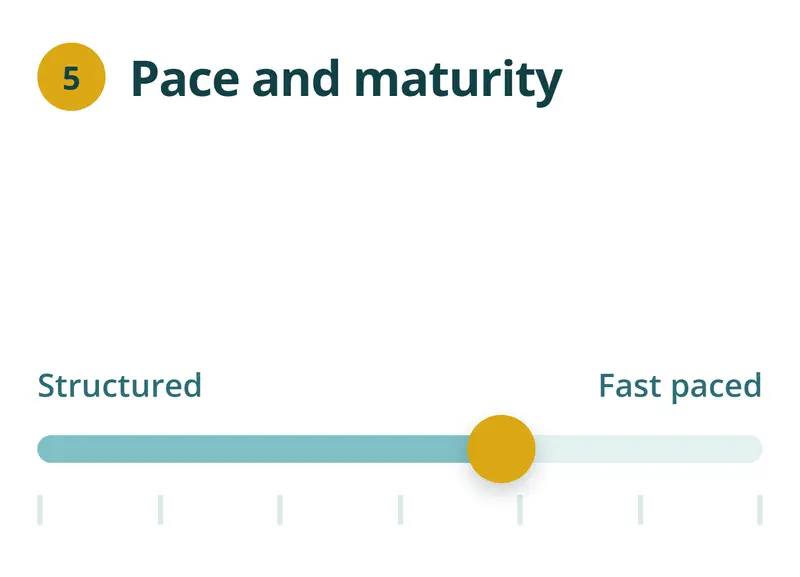
Every organisation is very different. An architect who performs very well in a very structured environment is likely to struggle in, say, a fast-paced start-up. So understanding your culture is essential to knowing what good looks like.
Architecture is a sales role. Architects have to be good communicators to be effective. What good looks like will depend greatly on a combination of pace, your stakeholders, and yourself.
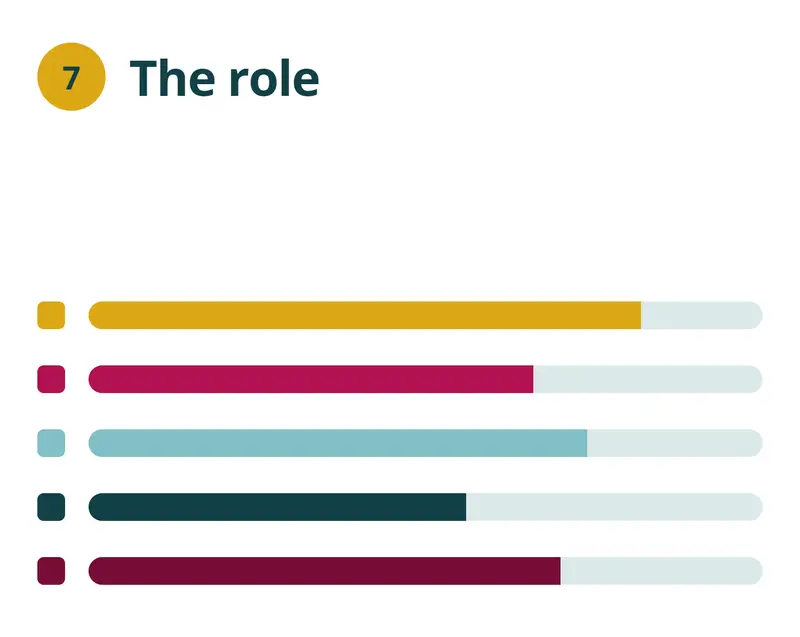
Once we have established all of the above factors, we will send a revised job description and interview questions back to you for approval. Once complete, we can begin sourcing.
Seven steps, from long list to interview. Every conversation is had by Ben Clark.
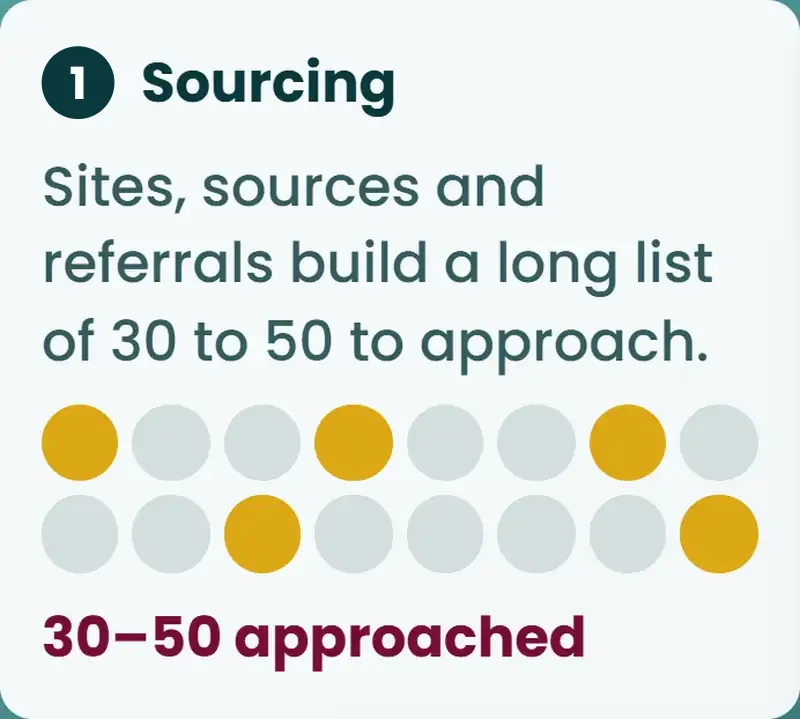
None of the methods Konvergent uses (LinkedIn, our CRM, etc.) are unique, but we only target a relatively small number of people, as less is more. Having recruited architects for over 20 years, “Who do we know?” is nearly always the best place to start.
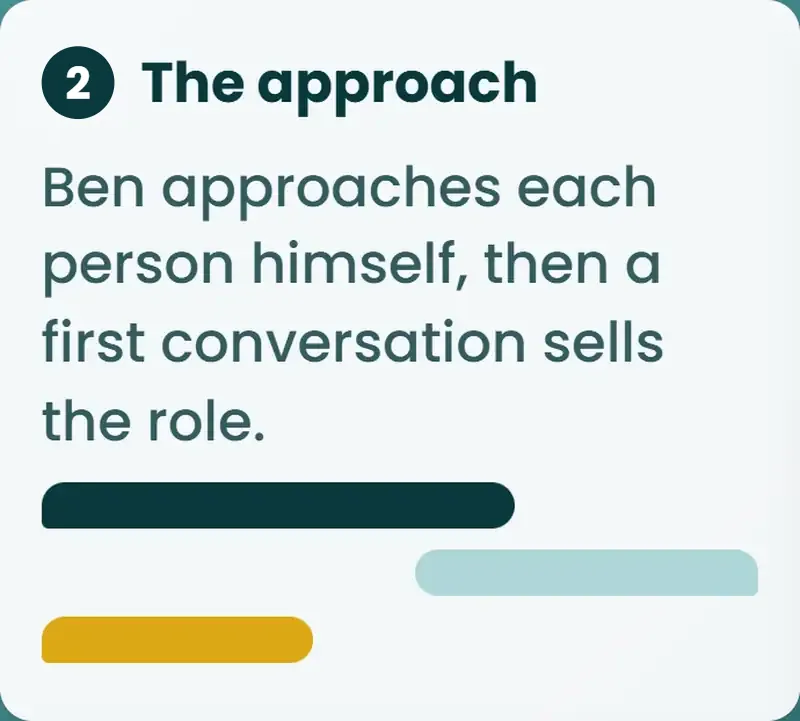
Good people rarely respond to messages now because of the influx of recruiter spam. We know two things: Ben’s reputation in the industry gets people to respond, and personally recorded Loom messages explaining why we think someone is suitable have a 3x higher response rate.
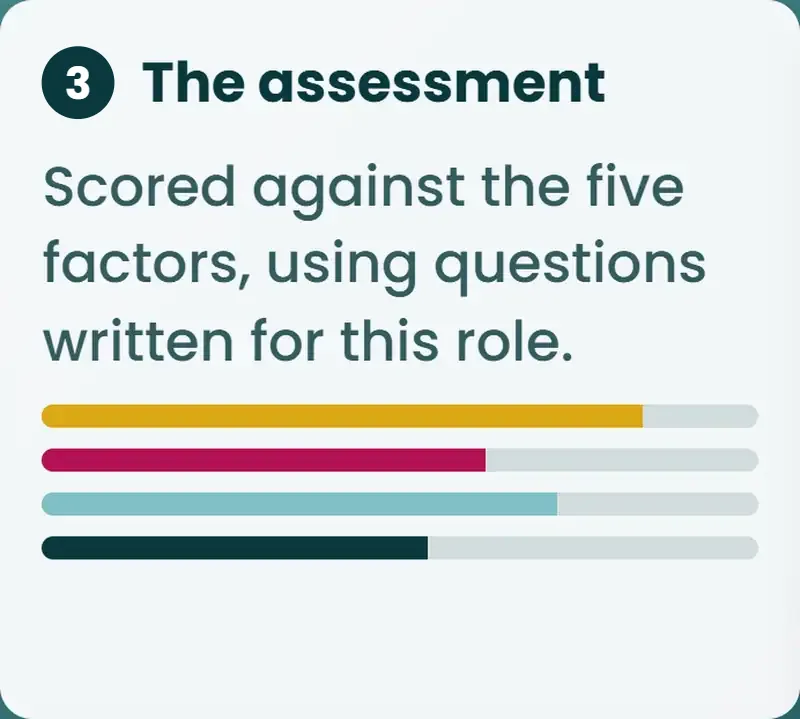
Ideally, all interviews will be face-to-face. The assessment is split into two: technical fit and soft skills. Both areas need to be right for someone to be submitted.
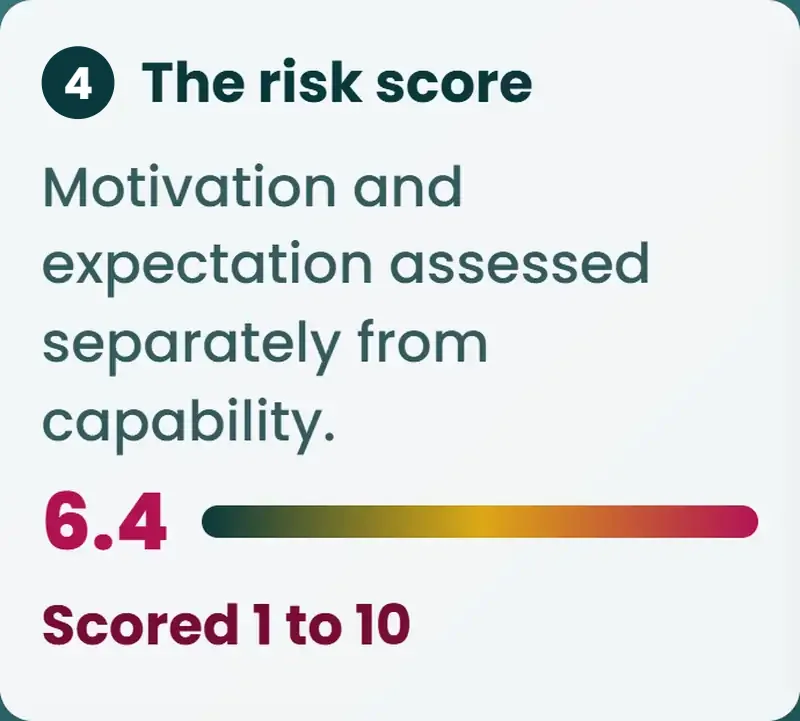
Every candidate has a risk score. The risk is based on their situation and likelihood to take the job if offered. There are several factors like salary, location, place of work, other offers, and loyalty to the current company that all need to be taken into consideration.
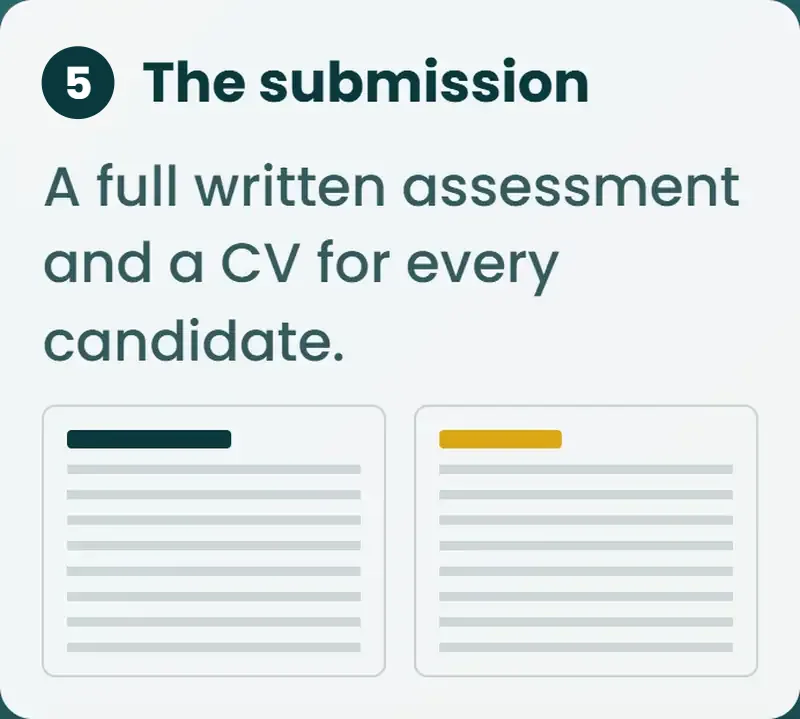
Every candidate is submitted with a 3-page maximum CV, a risk assessment page, and a general summary, and you will only ever get 3 to 4.
From this point on, the process is in your hands. Konvergent will have everything scheduled and prepared, but the interviews, the decisions and the offer are yours to make. We stay alongside you throughout.
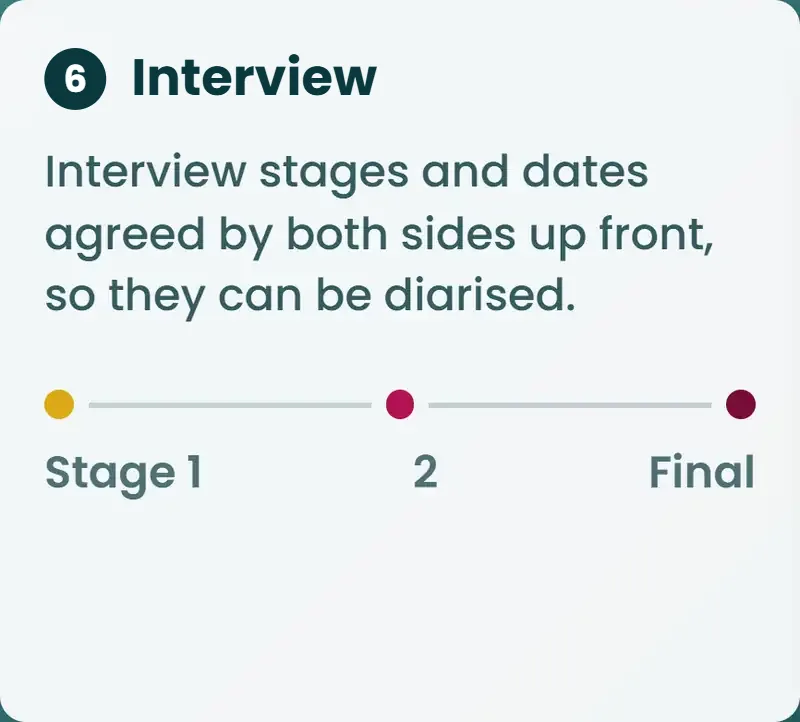
Konvergent will look to have agreed and scheduled the interview process with yourself and the various stakeholders in advance, so it can be run as efficiently as possible. We will also give you advice on where we think you should probe the candidates further.
It is essential that every candidate who is rejected is done so in a way that gives them feedback they can work on, is done responsibly, and creates a positive impression of both yourself and Konvergent.
Five steps. The hire is the start of the risk, not the end of it.
The vast majority of the reasons a candidate leaves a role early is that expectations have not been managed correctly. This process ensures that this is not the case, as they will know as much as they can about you, the company, and the role before starting.
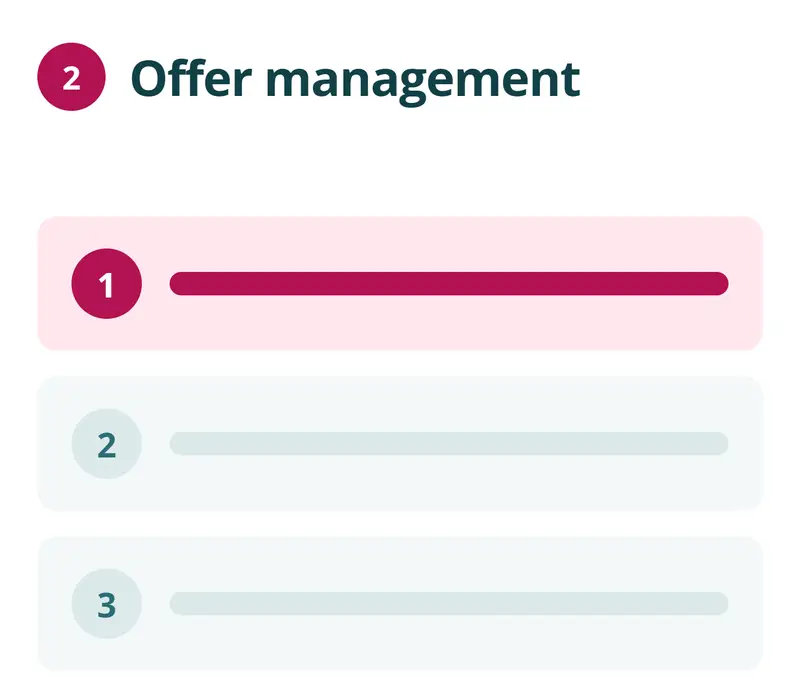
We only ever move to offer if we know it will be accepted. We are fully aware of, and have communicated back to you, all other opportunities the candidate has, how they compare to yours, and what, if anything, we can do to get your role to position 1 on their list if it isn’t already.
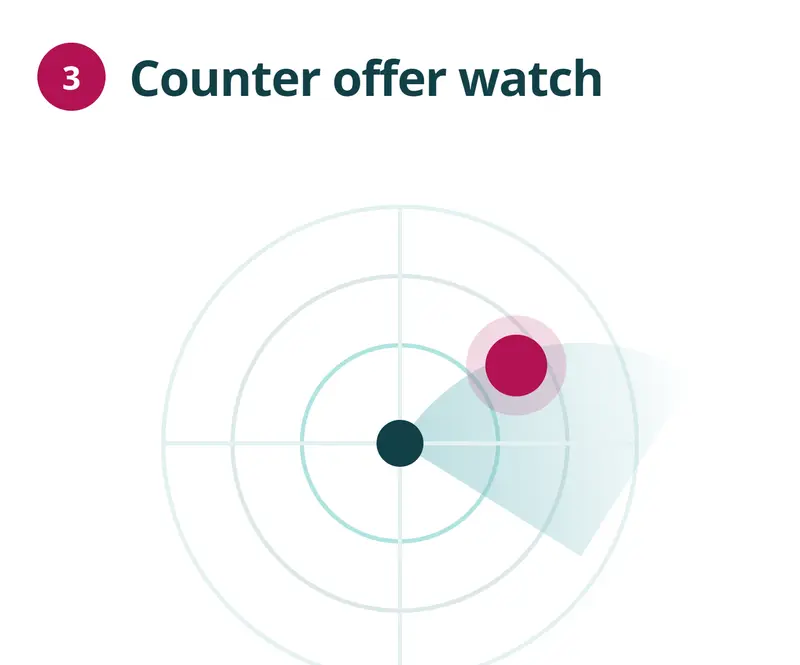
We have to expect that every headhunted candidate will be counter-offered. Managing this problem starts weeks and months before it occurs.
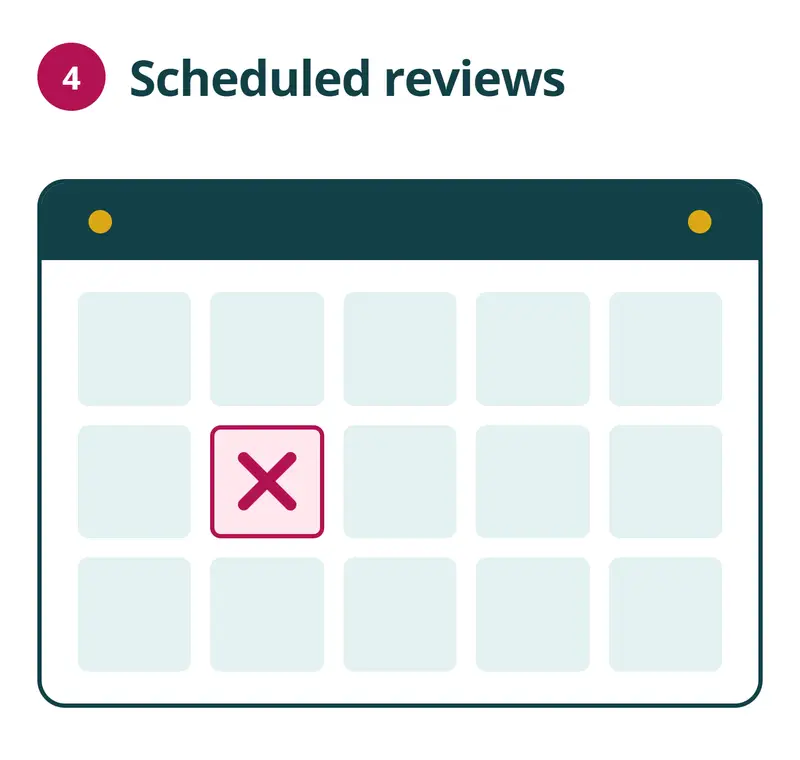
Three months is a long time from offer to starting. A lot can go wrong in that time without spending time with the candidate.
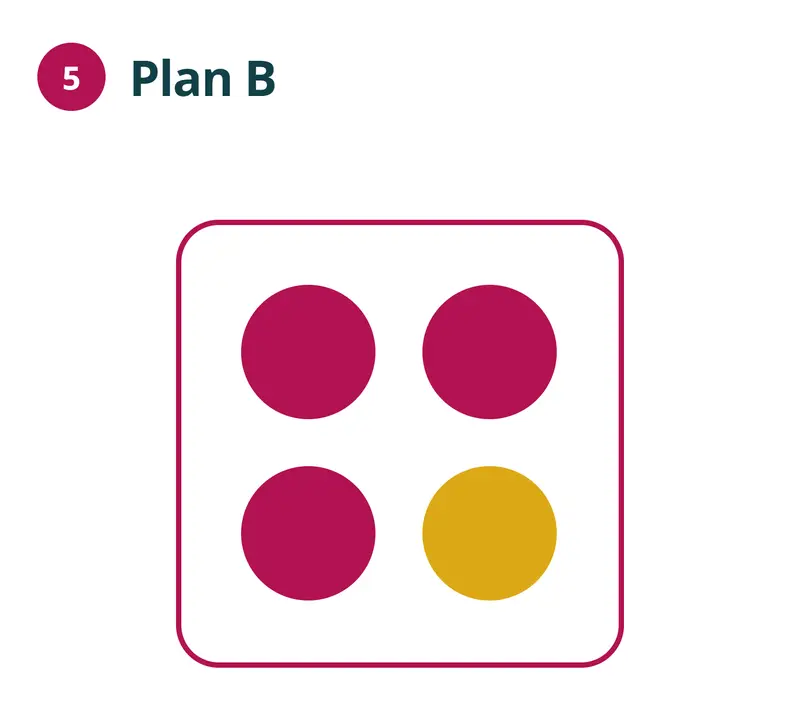
Despite our best efforts, things can still go wrong. To mitigate the risk, we maintain a backup shortlist for six months after starting.
| Cookie | Duration | Description |
|---|---|---|
| cookielawinfo-checkbox-analytics | 11 months | This cookie is set by GDPR Cookie Consent plugin. The cookie is used to store the user consent for the cookies in the category "Analytics". |
| cookielawinfo-checkbox-functional | 11 months | The cookie is set by GDPR cookie consent to record the user consent for the cookies in the category "Functional". |
| cookielawinfo-checkbox-necessary | 11 months | This cookie is set by GDPR Cookie Consent plugin. The cookies is used to store the user consent for the cookies in the category "Necessary". |
| cookielawinfo-checkbox-others | 11 months | This cookie is set by GDPR Cookie Consent plugin. The cookie is used to store the user consent for the cookies in the category "Other. |
| cookielawinfo-checkbox-performance | 11 months | This cookie is set by GDPR Cookie Consent plugin. The cookie is used to store the user consent for the cookies in the category "Performance". |
| viewed_cookie_policy | 11 months | The cookie is set by the GDPR Cookie Consent plugin and is used to store whether or not user has consented to the use of cookies. It does not store any personal data. |